RevDem Podcast
RevDem Podcast is produced by the Review of Democracy, the online journal of the CEU Democracy Institute. The show features in-depth conversations on the reinvigoration, survival, and prosperity of democracies worldwide. It focuses on four main areas: rule of law, political economy and inequalities, the history of ideas, and democracy and culture. The podcast aims to generate innovative cross-regional dialogues about democratic challenges and ideas.
Epizódok
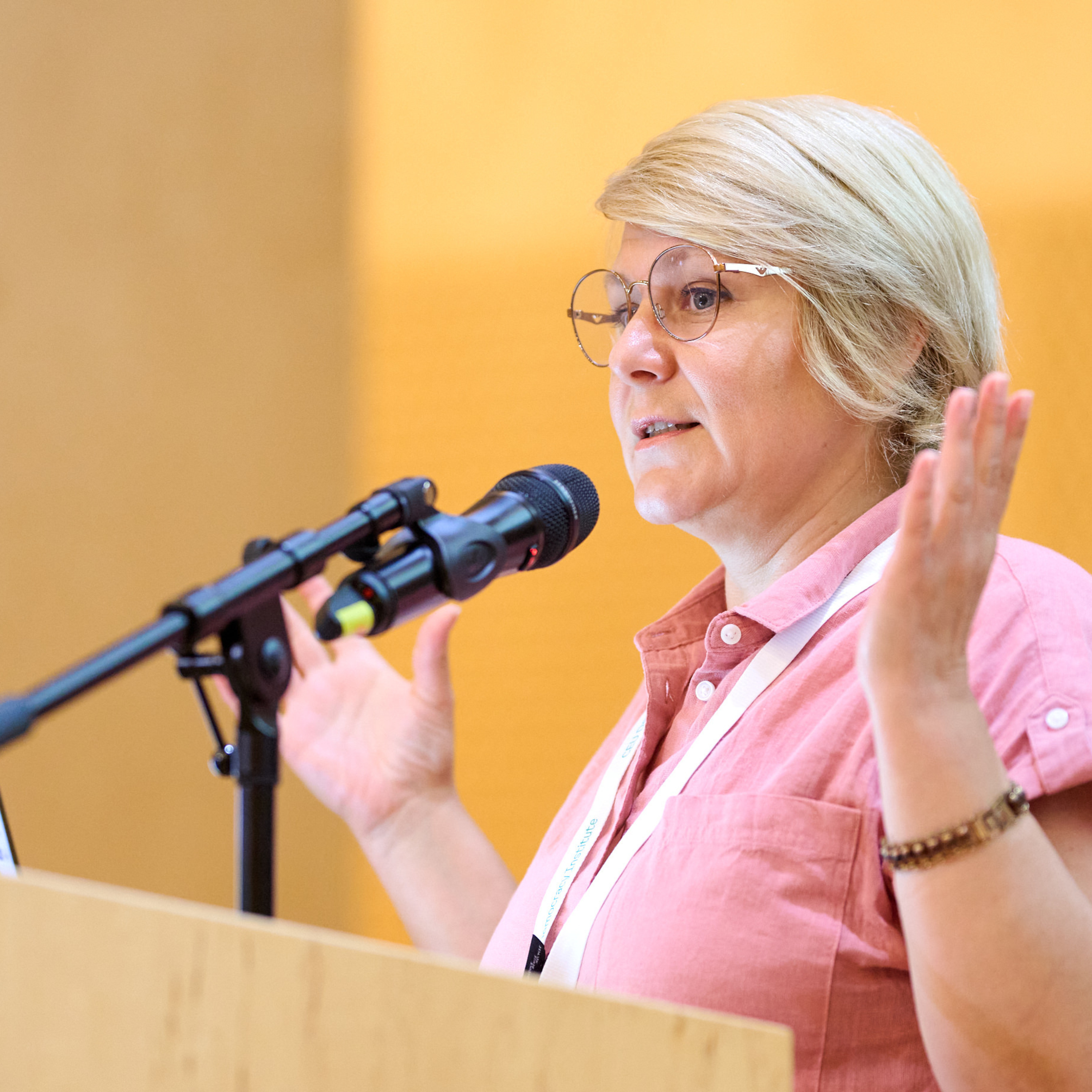
Grieving the Countryside – Irina Velicu on Eco-grief, Peasant Dispossession and the Politics of Rural Loss
We are delighted to bring you a new episode of the Review of Democracy podcast, born out of an encounter at the CEU Democracy Institute’s annual conference in Budapest.In this discussion with Irina Velicu, a political ecologist at the Centre for Social Studies of the University of Coimbra whose work brings critical theory into conversation withpolitical ecology, we examine the slow unmaking of rur

After 1989, Who Imagined the Future?- A Conversation with Dorine Schellens
The Blinken Open Society Archives, or the OSA, is a complex archival institution. On one hand, it is a repository of vast collections that document how power operated across the twentieth century. OSA holds 10,000 linear meters ofarchival material, 17,000 hours of audiovisual recordings, and 15 TB of digital records, as well as 150,000 photographs, 6000+ documentary film titles and 22,000 library
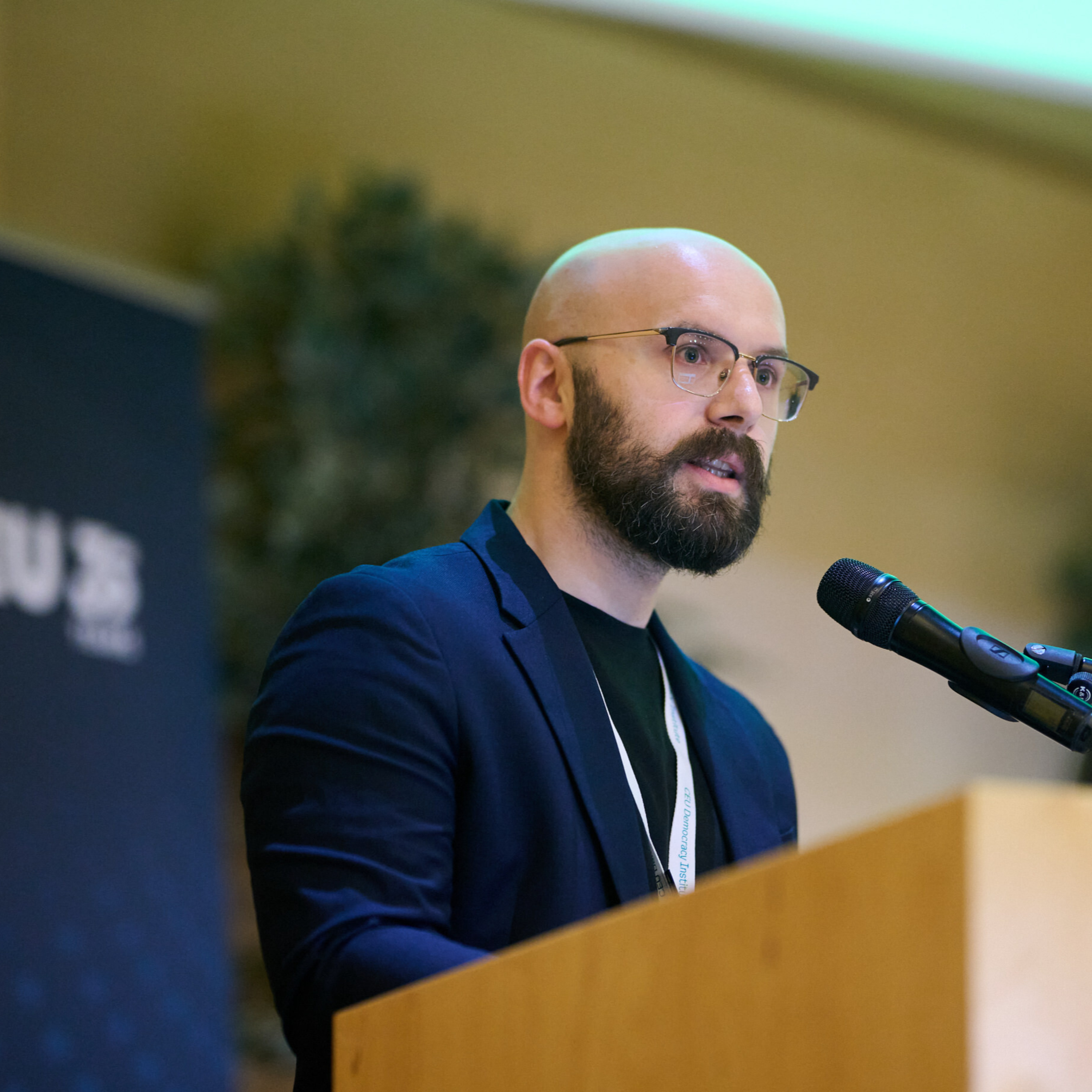
The Politics of Europe’s Panic- A Conversation with Francesco Trupia
The Democracy Institute’s annual conference, with the titleImaginary Exhaustion? asked to what extent today’s democracies are trapped by fear and exhaustion, and how we might rebuild our collective imagination to shape more hopeful democratic futures. The panel The People We Fear: Demography, Migration, and Civilizational Anxiety hadthree guests: Kristijan Fidanovski, Attila Melegh and KasiaNarko

Lose Together, Win Alone: Opposition Lessons from Hungary and Turkey
In the new episode of our special series produced in collaboration with the Journal of Democracy, we are joinedby Edgar Şar and Pelin Ayan Musil to discuss their article “Why Oppositions Lose Together and Win Alone,” published in the July 2026 issue.For years, the conventional wisdom held that the only way to defeat an entrenched autocrat was to unite the opposition. In Hungary and Turkey, opposit
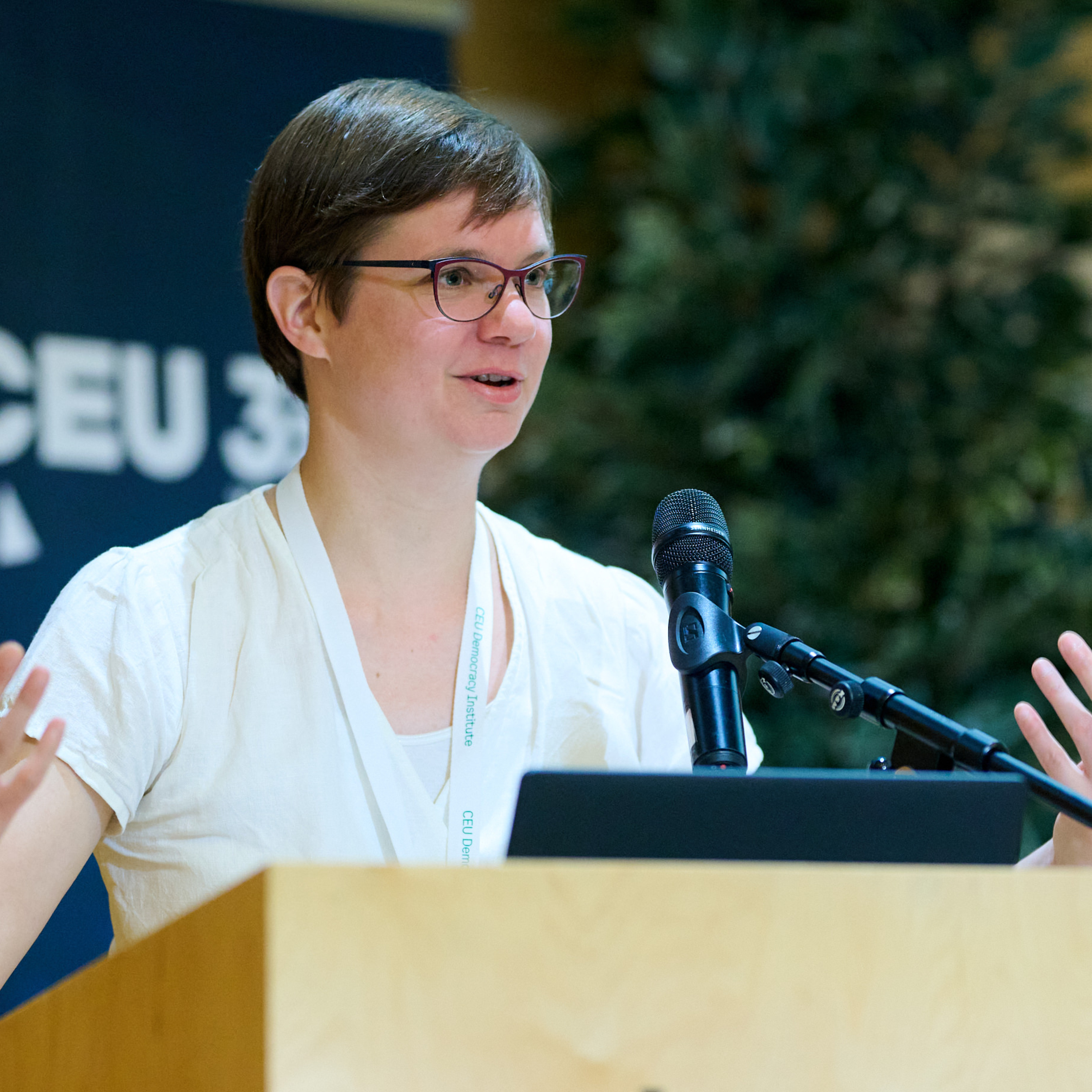
From Guilds to Pubs: The History of Democratic Practices (Part 2)
Scholars often frame the history of democracy as a gradual expansion of voting rights and representative institutions. Camille Creyghton, our guest today, offers a different perspective: democracy also emerged from radical ovements and everyday practices of self-government. In her presentation at the CEU Democracy Institute AnnualConference, held in Budapest in June, Camille Creyghton challenged t

From Guilds to Pubs: The History of Democratic Practices (Part 1)
Scholars often frame the history of democracy as a gradual expansion of voting rights and representative institutions. Camille Creyghton, our guest today, offers a differentperspective: democracy also emerged from radical movements and everyday practices of self-government. In her presentation at the Democracy Institute AnnualConference, held in Budapest in June 2026, Camille Creyghton challenged
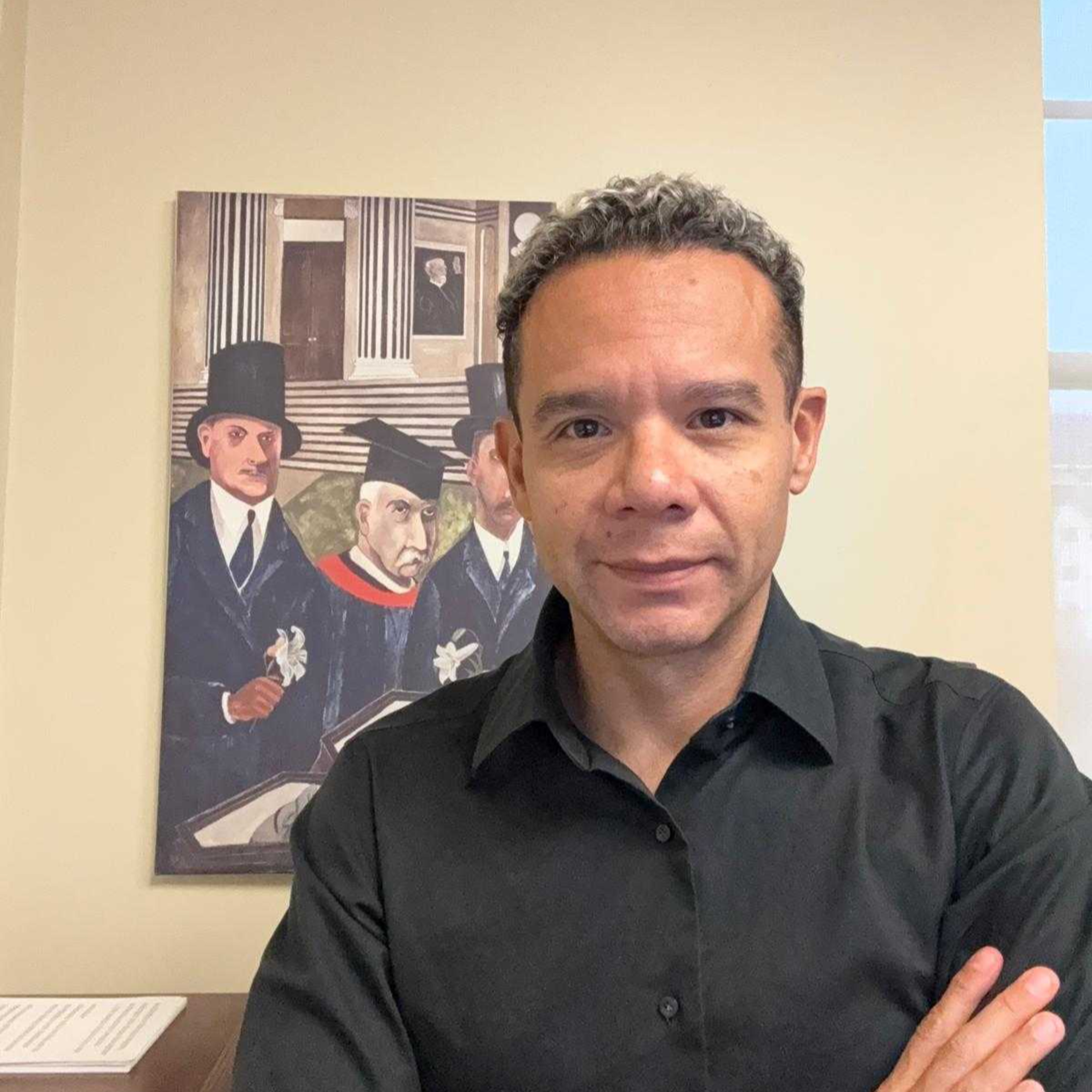
The Other Side of Law: Democracy, Rights, and Illiberalism
In this opening episode of a new Review of Democracy podcast series on law, rights, and democracy in Latin America, Gabriel Pereira speaks with Fabio de Sá e Silva about the increasingly complex role of law in contemporary struggles over democracy and rights.The conversation explores autocratic legalism and its evolution, asking how legal institutions and practices can contribute to democratic ero

Challenging Archives, Episode 3- Documenting the Human Rights Organizations during the Cold War
Challenging Archives is a new series of podcasts jointly organized between Review of Democracy and BlinkenOpen Society Archives, based in Budapest. We will invite scholars to discuss about their investigation in this archive. The Blinken Open Society Archives, or the OSA, is a complex archival institution. On one hand, it is a repository of vast collections that document how power operated across

Decolonial Constitutionalism in the Caribbean – In Conversation with Ronnie Yearwood
Having achieved formal independence, formerly colonized societies continue to suffer under the consequences of colonialism.Whereas colonialism is often declared to have ended, coloniality persists. Colonialism created power structures that transcend armed control over territories and people and remain “alive in books, in the criteria for academic performance, in cultural patterns, in common sense,
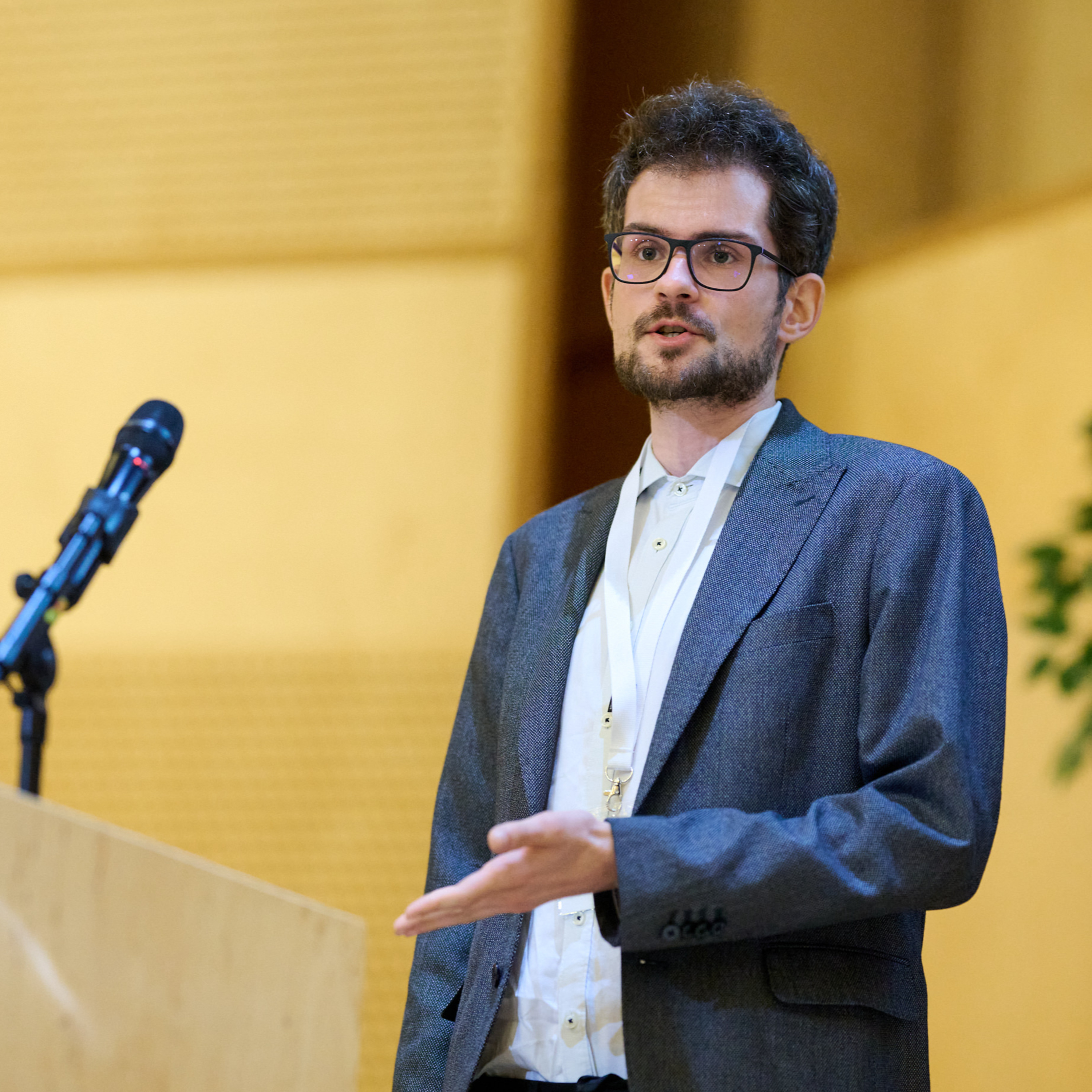
Progressive Pronatalism? A Conversation with Kristijan Fidanovski
Demographic policies became one of the most defining political battlegrounds of our time. Within this debate, pronatalism is usually discussed within the framework of traditional values and nationalist agendas. This approach, as our podcast guest Kristijan Fidanovski emphasized, might obscure posing other questions. What prevents millions of people from having the families they want? How could soc

A Counterarchive of Female Migrant Workers – Brigitte Le Normand on Gendering Postwar Migration and the Remaking of Europe
In our new podcast, Brigitte Le Normand describes and interprets the main phases of migration in Europe since 1945; discusses what gendered and intersectional perspectives can reveal about labor migration; explains why a combined focus on “destination countries” and “countries of origin” is needed to understand labor migrants; and draws a preliminary balance sheet of the discriminatory,the exploit
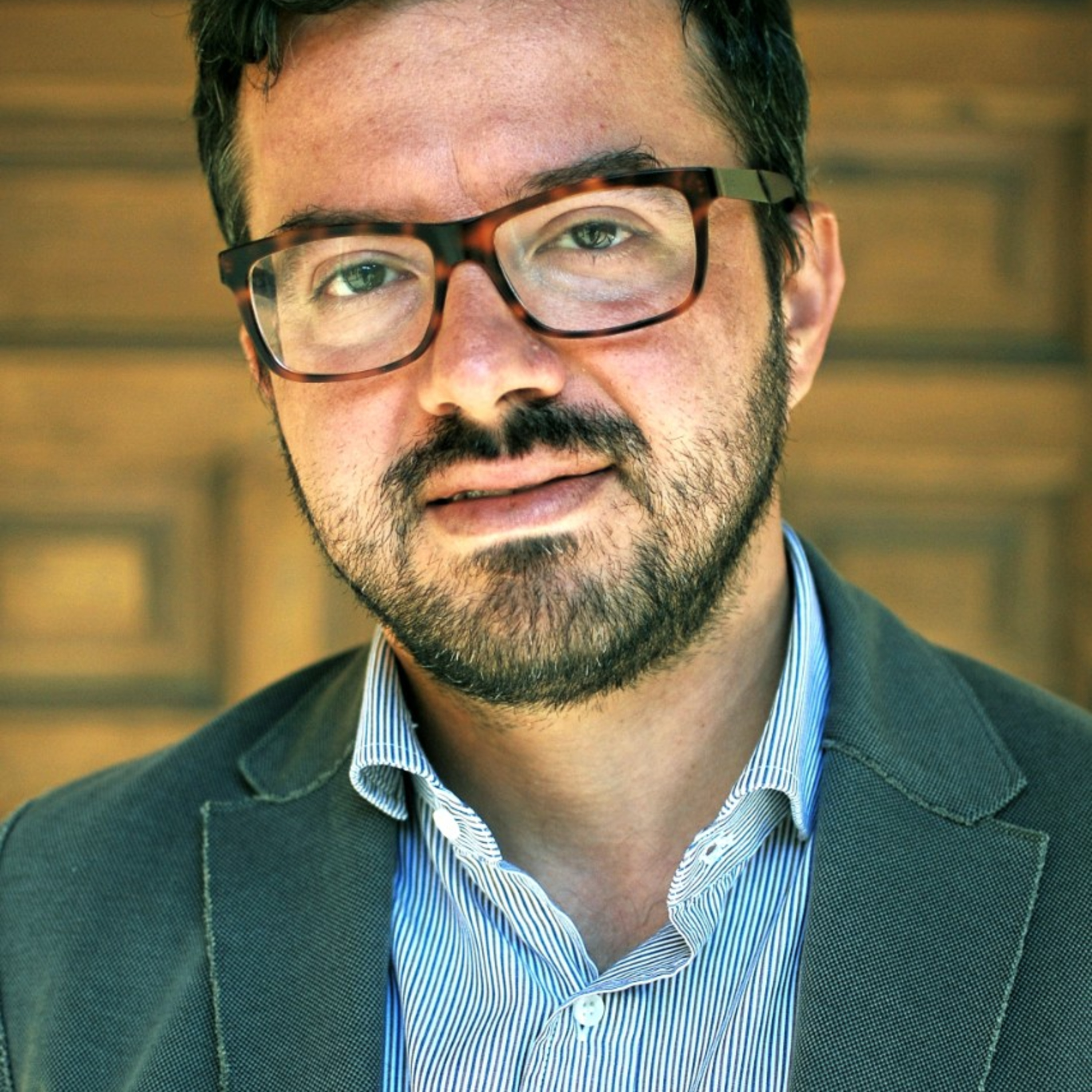
Technocratic Governance Without Deliberation? –Yane Svetiev on Peer Review in Financial Regulation
As the world becomes increasingly interconnected, our lives are increasingly influenced by decisions made outside our national constituencies. Today, government actionsare likely to affect many people who never participated in elections in which the government in question ran for office. This applies to various policy areas but seems especially true in the financial sphere. As the financial crisis

Challenging Bucharest’s “Little Paris” Myth: A Conversation with Alexandra Ghiţ
Between 1914 and 1941, Bucharest’s population tripled,approaching one million inhabitants. This rapid growth created new neighborhoods and new opportunities but also brought new forms of poverty. While some historians portrayed the interwar Bucharest as ” the little Paris”, Alexandra Ghiţ’s book Welfare Work without Welfare: Womenand Austerity in interwar Bucharest provides a much more nuanced per

Who Gets to Shape the Future of the Arctic? A Conversation with Mia Bennett and Klaus Dodds
The Arctic is undergoing a profound transformation. As the region literally unfreezes under the pressures of climate change, established political relationships, imaginaries and assumptions about its future are also being unsettled. In this episode of the Review of Democracy podcast,Anna Niia Varfolomeeva speaks with Mia Bennett and Klaus Dodds about their book Unfrozen: The Fight for the Future o

America’s Disengagement and Its Consequences
In the new episode of our series produced in collaboration with the Journal of Democracy, Ferenc Laczó speaks with Christina Cottiero, Emilie M. Hafner-Burton, Stephan Haggard, and Christina J. Schneider about their article, “Can the Liberal Order Survive America's Retreat?”They discuss the United States’ disengagement from institutions of global governance and what that has meant for multilat

A State Within the State: Lessons from Iran and Beyond
In this special-series podcast with SaeidGolkar, we discuss his latest essay “Why IRGC is the war’s Biggest Winner” published in the July issue of the Journalof Democracy. Professor Golkar argues that Iran’s wars, security crises, and political upheavals have gradually transformed the IRGC from a revolutionary militia into a powerful institution that increasingly functions as a “state within the

Can Unjust Laws Be Legitimate? A Conversation with Jonathan Quong
Can a law be unjust and still be legitimate? And if we believe a law is unjust, does that mean the state has no right to enforce it? In this episode of the Review of Democracy podcast,Jonathan Quong discusses his new book PoliticalPhilosophy: The Puzzle of Legitimate Injustice which examinesthe uneasy relationship between two central concepts of political philosophy: justice and legitimacy. He exp

“Divisive Memories Can Create New Forms of Local Unity” – Aline Sierp on Memory Studies and Key Questions in European Remembrance
In our new podcast, Aline Sierp discusses central questions in contemporary European memory and surveys how EU institutions have attempted to deal with Europe’s past over the decades. She also considers why the remembrance of European colonialism and imperialism remained marginal for so long – and what might be changing these days. The conversationalso focuses on how studying the politics of memor

Backlash Against Rights: From Public Battles to Veiled Backlash
Across the world, political actors are challenging rights in increasingly sophisticated ways. But are we looking in the right places? In this episode of Review of Democracy,Gabriel Pereira speaks with María Paula Saffon about how we should understand backlash against rights today. They discuss why familiar accounts of backlash may overlook some of its most consequential forms, explore the distinct

Towards Tempered Power – In Conversation with Martin Krygier
Always a controversial and often a confusing topic inacademia, the rule of law has, since the late twentieth century, been elevated to almost a universal ideal. So much so that many of those once perceived as its staunchest enemies today claim to be rule of law enthusiasts. Large amounts ofmoney have been spent, and much work has been done to lay its foundations in many places and for various reas

Kim Lane Scheppele on Hungary’s Democratic U-Turn
In this new episode of our podcast series produced in cooperation with the Journal of Democracy, Ferenc Laczó speaks with Kim Lane Scheppele about her article, “CanPéter Magyar Restore Hungary’s Democracy?”The conversation discusses the major challenges and dilemmas that the new Hungarian government led by Péter Magyar faces after 16 years of illiberal rule and illiberal state-building by Viktor O

How to Lean into Disruptive Change? – Mark Leonard on a New Artisanal Code for Europe
In our new podcast, Mark Leonarddiscusses the conclusions he has drawn concerning “the four Cs:” capital, climate, chips, civilizations. He talks about how Europeans could take inspiration from Chinese ways of thinking, what a new, more holistic approach to European security might prioritize, and what a new artisanshipcode would look like that would enable them to lean into disruption.

The Battle for the Future of Democracy Begins in the Archive. A Conversation with István Rév
The Democracy Institute Annual Conference, held inBudapest on June 25–26, under the title Imaginary Exhaustion? asked whether contemporary democracies have become trapped by fear and exhaustion, and howcollective imagination might be renewed. The panel Rethinking CEU’s Legacy: Education, Engagement, and Democratic Transformations, reflected on the thirty-five years of CEU’s role in democratic chan
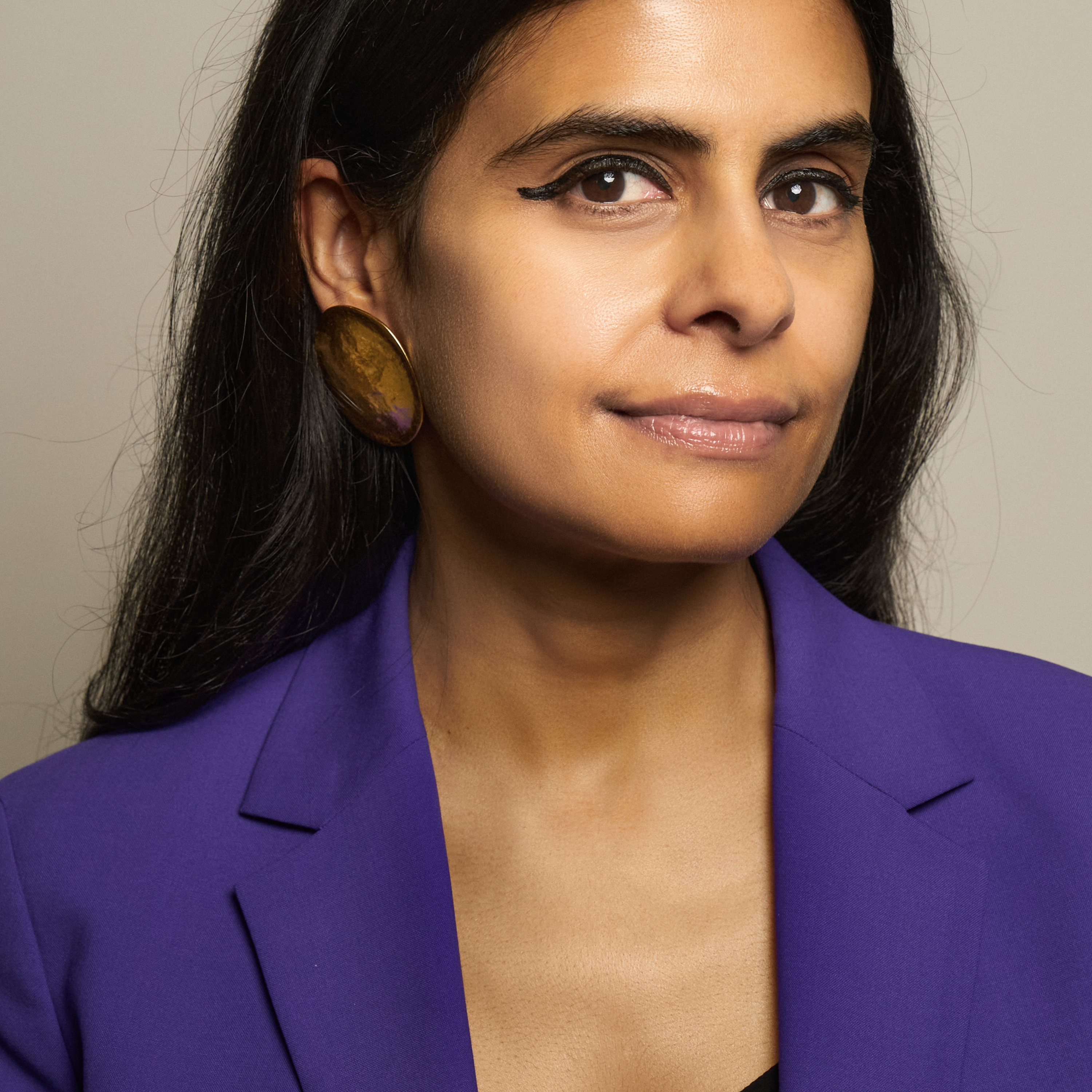
Women’s Internationalism and Democracy in the Global South
In this episode with Durba Mitra, we discuss her latest book, The Future that Was (Princeton University Press, 2026). The podcast highlights the emergence of women's internationalism as both a political project and a mode of knowledge production that grew out of the crisis of Third World developmental nationalism in the 1970s and the search for new forms of international solidarity. We examine
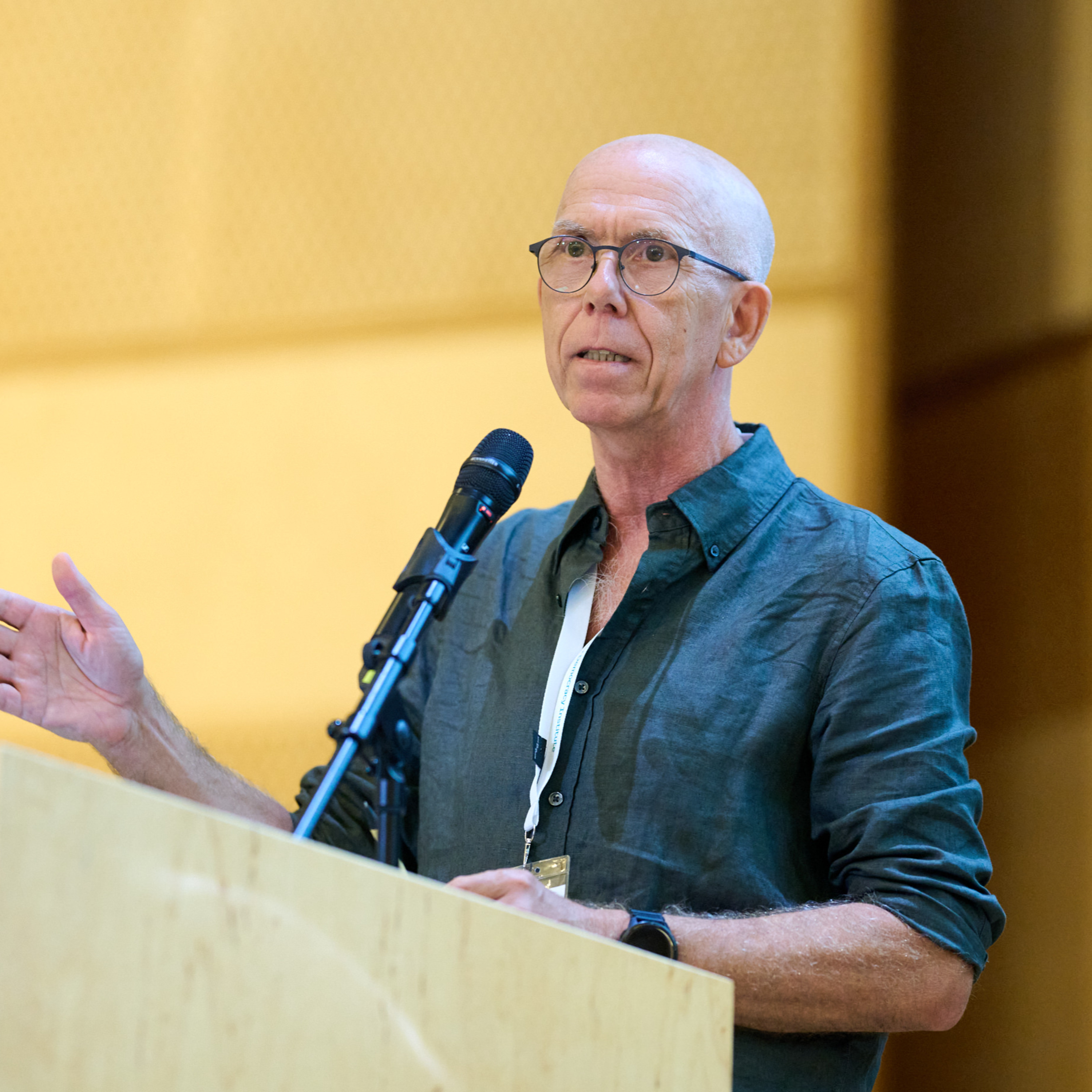
Why Politicians Talk About Migration Instead of Markets
Migration is usually discussed as a question of borders, identity, or national security. This angle might obscure other more fundamental aspects. The real question to poseis not simply who moves, but how decades of marketization transformed both labor and the politics of fear. These ideas were at the heart of Atilla Melegh’s presentation at the the Democracy Institute Annual Conference, held in Bu

Postcolonial? – How Does the House of History Confront Europe’s Colonial Past and the “Colonial Matrix of Power”? Part II
This spring, the House of European History – a flagship museum of the European Parliament – has opened a temporary exhibition under the title Postcolonial?that features unique artworks, historical objects, and personal stories. Knowing the multifaceted and controversial legacies of European colonialism and being aware of just how closely intertwined the European integration project and thehistory

The EU in Constitutional Borderlands – In Conversation with Päivi Leino-Sandberg
Since the Treaty of Lisbon entered into force in 2009,the European Union has faced numerous significant crises. At the same time, the Union’s member states have largely proven unable or unwilling to amend the EU’s treaties. While this has often created impasses and deadlocks, it has not stoppedthe process of European Integration. On the contrary, some scholars have argued that the EU almost relies
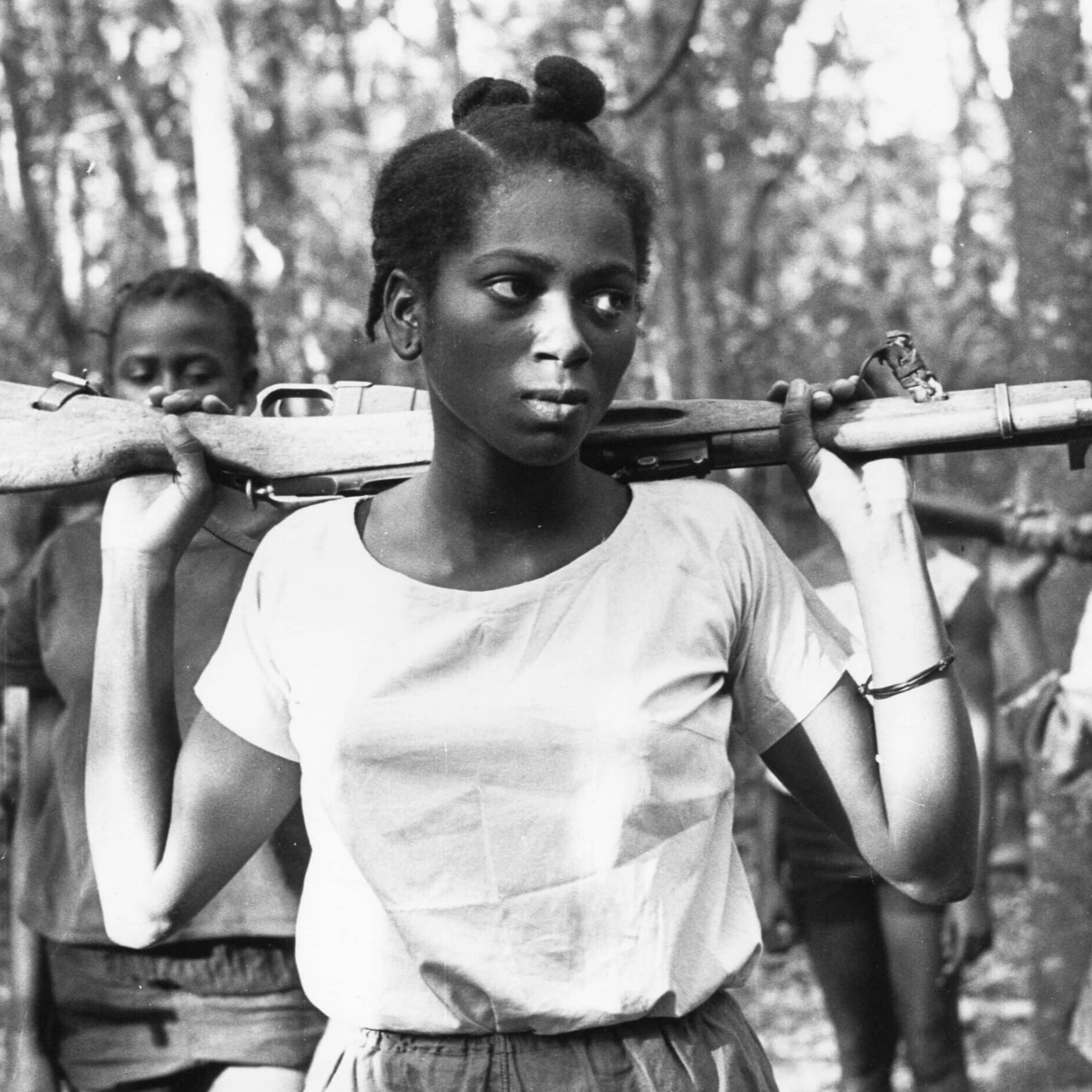
Postcolonial? – How Does the House of European History Confront Europe’s Colonial Past and the “Colonial Matrix of Power”? Part I
This spring, the House of European History – a flagship museum of the European Parliament – has opened a temporary exhibition under the title Postcolonial?that features unique artworks, historical objects, and personal stories. Knowing the multifaceted and controversial legacies of European colonialism and being aware of just how closely intertwined the European integration project and thehistory

Challenging Archives, Episode 2: The Apartment Universities in Czechoslovakia
Challenging Archives is a new series of podcasts jointly organized between Review of Democracy and BlinkenOpen Society Archives, based in Budapest. We will invite scholars to discuss about their investigation in this archive. The Blinken Open Society Archives, or the OSA, is a complex archival institution. On one hand, it is a repository of vast collections that document how power operated across

Challenging Archives, Episode 1: Hungarian-Language Theaters in Socialist Romania
Challenging Archives is a new series of podcasts jointly organized between Review of Democracy and Blinken Open Society Archives, based in Budapest. We will invite scholars to discuss about their investigation in this archive. The Blinken Open Society Archives (OSA), is a complex archival institution. On one hand, it is a repository of vast collections that document how power operated across the t

The Ancient World Mobilized for Hate: A Conversation with Curtis Dozier
Ancient Greece and Rome are often celebrated as the foundations of Western civilization, democracy, and political thought. But what happens when these revered historical traditions are mobilized to legitimize exclusionary and authoritarian politics? In this episode of the Review of Democracy podcast, we speak with Curtis Dozier, author of The White Pedestal – How White Nationalists Use Ancient Gre

Georgia’s Struggle Between Democracy and Autocracy – In Conversation with Ghia Nodia
In our latest episode of the special series produced in partnership with the Journal of Democracy, we discuss the recent article by Ghia Nodia, entitled “Georgia: Between Democracy and Autocracy” (Journal of Democracy, Vol. 37, No.2, April 2026)Over the last couple of years, Georgia has frequently been in foreign news due to two related issues. Firstly, in 2024, the current Georgian government, af

Mixed Families in Post-Conflict Societies- A Discussion with Karolina Lendák-Kabók and Lucija Balikić (Part 2)
Are interethnic marriages bridges or fault lines in post-conflict societies? What happens when the politics of national identity enter the intimacy of home? Who were the main agents to oppose or promote mixed marriages in East-CentralEurope? Was it the Church? Was it the legal framework? Were it depending on local culture? Was it determined by class?In our podcast in two parts, we discuss this top

Dictocrats and Dictobrats – James Loxton on Why We Elect Former Dictators and Their Children
In the new episode of our series produced in collaboration with the Journal of Democracy, Ferenc Laczó speaks with James Loxton about his article, “Why We Elect Former Dictators and Their Children.” James Loxton discusses prominent cases of former dictators or the children of former dictators being elected democratically as president or prime minister; how suchleaders deal with their authoritarian

Worlds of Wartime: Duncan Kelly on the First World War and Modern Politics
How did the First World War reshape the way we think about politics, economics, empire, and democracy? In this episode of the Review of Democracy podcast, we speak with Duncan Kelly, Professor of Politics at the University of Cambridge, about his book Worlds of Wartime: The First World War and the Reconstruction of Modern Politics, published by Oxford University Press. Kelly’s book explores the Fi

Birthright Citizens: Martha Jones on Race and Rights in the U.S.
Since assuming office at the beginning of 2025, Donald Trump’s administration has targeted numerous people in the U.S. Those who have suffered the most and are the most vulnerable to the administration’s policies are the ones Trump and his compatriots believe are unworthy of living their lives on U.S. soil in peace, especially so-called “illegal immigrants.” The Immigration and Customs Enforcement

Beyond National Democracy: China’s Ideas and Ideas of China
This interview with historian Professor Xu Guoqi explores the major themes of his latest book The Idea of China ata moment marked by the weakening of the international order and the global resurgence of nationalism. We begin by tracing the changing meanings of “China” and “Chineseness.” The conversation then moves to thinking about Chineseuniversalism, its alignments and tensions with Western libe

Mixed Families in Post-Conflict Societies- A Discussion with Karolina Lendák-Kabók and Lucija Balikić (Part 1)
Are interethnic marriages bridges or fault lines in post-conflict societies? What happens when the politics of national identity enter the intimacy of home? Who were the main agents to oppose or promote mixed marriages in East-CentralEurope? Was it the Church? Was it the legal framework? Were it depending on local culture? Was it determined by class?In our podcast in two parts, we discuss this top

The “Backsliders” and What We Can Do About Them – In Conversation with Susan Stokes
In our latest episode of the special series producedin partnership with the Journal of Democracy, we discuss therecent article by Susan Stokes, entitled “Why Elected Leaders Subvert Democracy” (Journal of Democracy, Vol. 37, No.2,April 2026). Democracy today faces many paradoxes. According to recent reports, democracy has regressed to the level of 1978, and the successes of the third wave of democ

How to Secure Democracy After Authoritarianism? Venezuela and the Problem of Credible Transitions
How can a democracy emerge from authoritarian rule when those who hold power fear what comes next?In this episode of the Review of Democracy podcast, Gabriel Pereira speaks with José Ramón Morales-Arilla about the challenges of democratic transition in Venezuela.Drawing on economic theory and comparative experiences, Morales-Arilla argues that the key obstacle is not simply political disagreement,

Abandoning Democracy for the Nation – In Conversation with Filip Milačić
Of the many political ideologies that exist, perhaps oneof the most paradoxical ones is nationalism. It has been associated with various political currents. At the end of the eighteenth and during the nineteenth century, people who wanted to overcome monarchy were often staunchnationalists. In the first half of the twentieth century, nationalism is said to have been a root cause for the two world

How Helpful Are AI Tools for Autocrats?
In the new episode of our series produced in partnership with the Journal of Democracy, Ferenc Laczó speaks with L. Jason Anastasopoulos and Jie (Jason) Lian about their article, “The Limits of Authoritarian AI.”They discuss the new challenges and opportunities for repression that AI poses; the dilemmas autocrats face when employing such tools; what a maximalist agenda forpro-democracy activists c

The “Ukraine Question” in Hungarian Culture Today – Diána Vonnák on Bilaterial Relations, Questions of Responsibility, and Paths Forward
In our new podcast, Diána Vonnák discussesthe recent past and present state of relations between Hungary and Ukraine. Focusing on questions of scholarship, culture and media, the conversation explores howprevalent Hungarian perspectives on Ukraine may be characterized and contextualized; how ties between Hungarians and Ukrainians have been transformed since 2022; and how this highly sensitive – an

When Populism Can be Good: A Conversation with Pepper Culpepper
In this special podcast episode with Pepper Culpepper, we discuss the latest article entitled, When Populism Can be Good, jointly written by Pepper Culpepper and Taeku Lee. This discussion reframes populism as a differentiated and politically consequential phenomenon rather than a uniformlyanti-democratic force. It distinguishes between populism rooted in political failure, which often turns exclu

Back to the Roots of the Rule of Law – In Conversation with Fernanda Pirie
According to the Rule of Law Index, prepared yearly by the World Justice Project, in 2025, 68% of countries worldwide experienced a decline in the rule of law, a bleak contrastto 57% the previous year. In what feels like a permanent rule of law crisis, revisiting the origins of the concept offers much-needed distance and room for reflection.This discussion with Fernanda Pirie focuses on the histor

From Television Series to Board Games: Replaying Communism’s Afterlife in Culture- A Conversation with Anna Váradi and Lucy Jeffery
Today, the afterlife of communism is equally about monuments and half-ironic memes, retro aesthetics, movie series and board games. Far from being confined to archivesor secondary sources, references to socialist period survive throughout everyday cultural forms and reveal a way of processing histories that were never fully resolved. In our conversation with Anna Váradi and Lucy Jeffery, built aro

Gen-Z: An Emerging Political Force? – A Discussion with Răzvan Petri and Vlad Adamescu
Politicians have usually neglected the needs and concerns of young voters, since they were seen as the most inactive and unreliable segment of the electorate. However, the interlocking crises of the contemporary global landscape have awakened Gen-Z’s political consciousness and have made them realize that their voice should also be heard. But have politicians adapted to this new reality and are th

Why Would Elected Leaders Hollow Out Their States?
In this episode of our podcast series produced in collaboration with the Journal of Democracy, Ferenc Laczó speaks with Andrés Mejía Acosta and Javier Pérez Sandoval about their new article, “Why Populists Hollow Out Their States.” They discuss how, why, and when elected leaders seek to undermine the state; what libertarians and leftists share when it comes to practices of state erosion and where

Ultimate Failure Via Major Accomplishments – Julian E. Zelizer on the Paradoxes of Joe Biden’s Presidency
In this conversation, Julian E. Zelizer – editor of the new volume The Presidency of Joseph R. Biden. A First Historical Assessment – discusses the key accomplishments of Joe Biden’s presidency as well as the sources of his ultimate failure to fulfil his promise. He explores the historical origins of the Biden presidency, reflects on its foreign policy record, and considers the questions future hi

Did Fear of Vampires Inspire Early Scientific Inquiry? A Discussion with Ádám Mézes
Artificial intelligence or the pandemics were two recent crises framed as almost magical non-human actors. They both reshaped the boundaries of human agency. By now,the language explaining them is often one of rupture and unprecedented transformation. AI or COVID-19 were described as opaque, autonomous and difficult to control. Yet the fear of the non-human as a destabilising force is not new. Wha

: Democracy on a Tightrope: Politics, Bureaucracy, and the Risks of Imbalance
In this episode of the Review of Democracy podcast, Gabriel Pereira speaks with Gabriela Lotta about Democracy on a Tightrope: Politics and Bureaucracy in Brazil,co-authored with Pedro Abramovay and recently published by Central European University Press .Drawing on the Brazilian case, the conversation explores the risks that emerge when the relationship between politics and bureaucracy breaks dow

EU Research Spotlight: Nils-Christian Bormann on Violence, Elites, and Democratic Stability
What happens when democracy faces violence as a recurring feature of political life? In this episode, we discuss the DANGER – Democracy, Anger, and Elite Response European Research Council (ERC) project with PrincipalInvestigator, Nils-Christian Bormann. This EU-funded research project examines how European democracies responded to political violence, economic crisis, and rising extremism in the
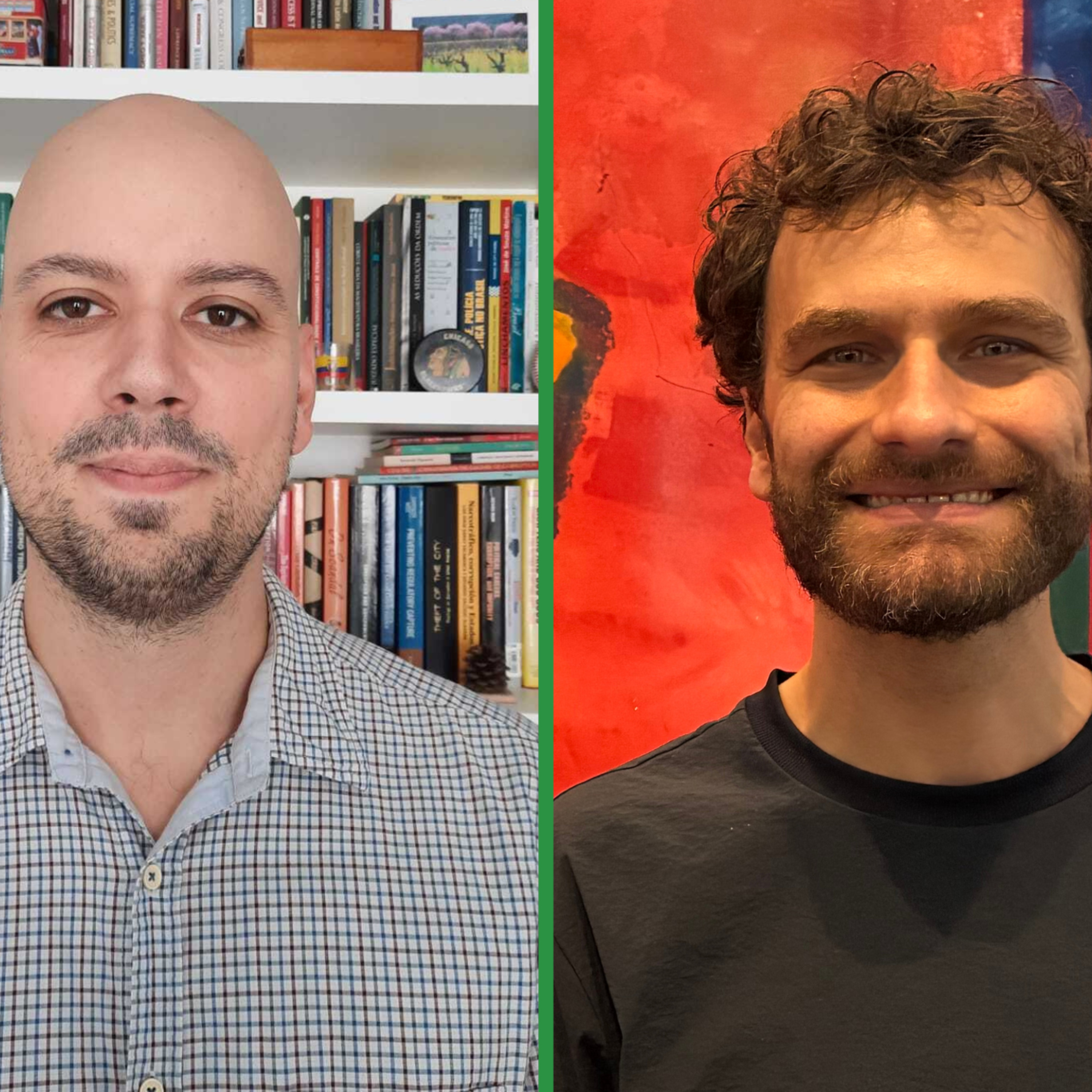
How Courts Can Hold Authoritarian Leaders Accountable
In many democracies today, elected leaders challenge institutions, undermine electoral rules, and test the limits of constitutional order. Yet legal accountability for suchactions remains rare. In this episode of the Review of Democracy podcast, produced in cooperation with the Journal of Democracy, Gabriel Pereira speaks with Luciano Da Ros and Manoel Gehrke about their article “How toBring Autho

Anticipating Autocracies: Contradictions in Broken China
In this latest conversation, we speak with Minxin Peiabout his latest book, The Broken China Dream: How Reform Revived Totalitarianism (Princeton University Press, 2025),which challenges the enduring assumption that economic development naturally leads to democracy. Pei argues that China’s post-Mao reforms produced not political liberalization but a resilient, adaptive form of authoritarianism.Foc

The Distinct Logic of Ukrainian Witchcraft
Artificial intelligence or the pandemics were two recentcrises framed as almost magical non-human actors. They both reshaped the boundaries of human agency. By now,the language explaining them is often one of rupture and unprecedented transformation. AI or COVID-19 were described as opaque, autonomous and difficult to control. Both were imagined as operating beyond ordinaryaccountability, while s

Why Gen-Z is Rising: Erica Chenoweth and Matthew Cebul on How We Might be Witnessing a Profound Gen¬erational Transformation
In our new podcast, Ferenc Laczó speaks with Erica Chenoweth and Matthew Cebul about their Journalof Democracy article, “Why Gen-Z Is Rising.” Erica Chenoweth and Matthew Cebul discuss the politicalprofile of Gen-Z protesters, what ignited their recent protests across the globe, and how those protests unfolded invarious places. They reflect on the promises and perils of those protests – and how th
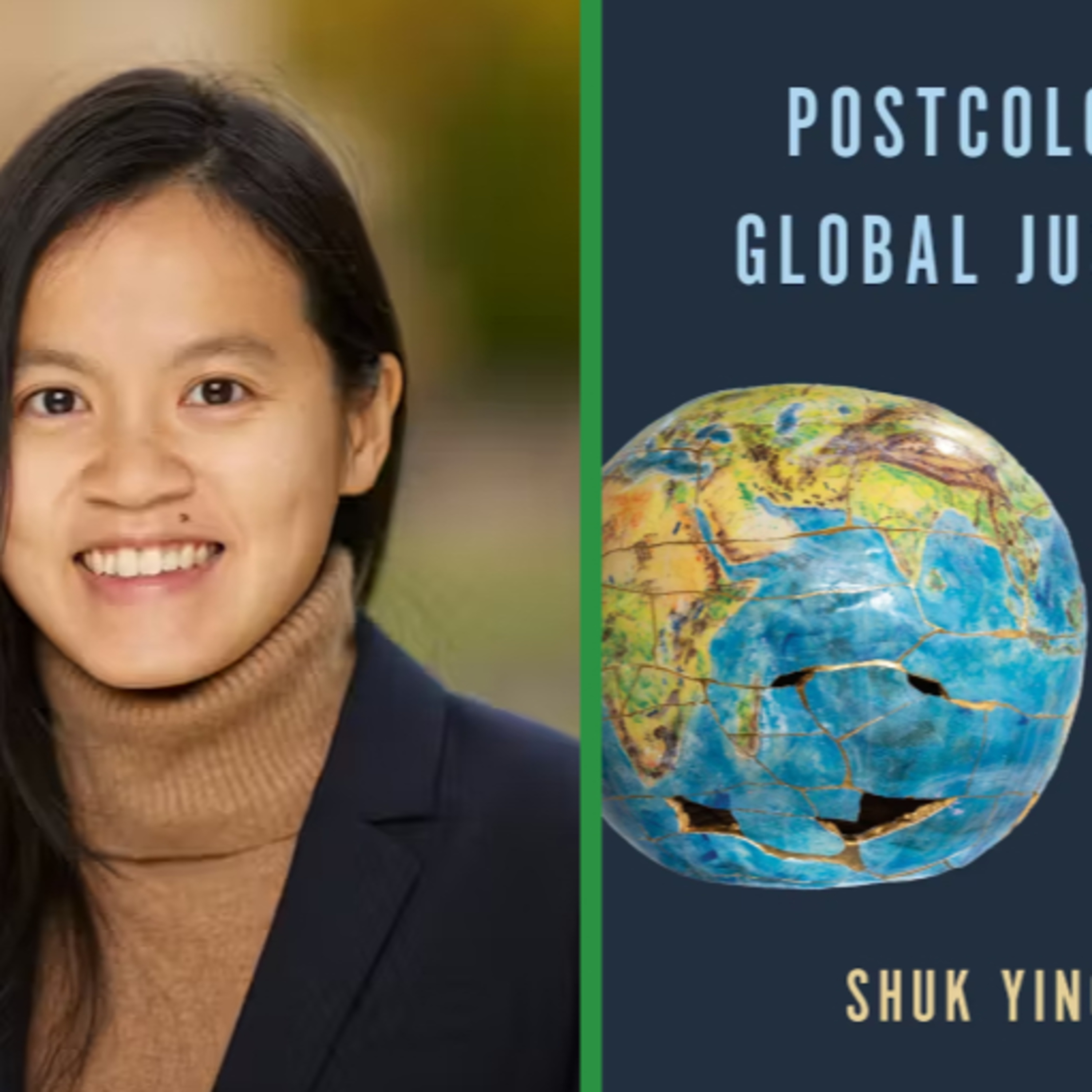
Shuk Ying Chan on Postcolonial Global Justice
In this episode of the Review of Democracy podcast, political theorist Shuk Ying Chan (UCL) discusses her new book Postcolonial Global Justice (Princeton University Press, 2026), which develops an account of postcolonial global justice as social equality by thinking with anticolonial leaders Aimé Césaire, Frantz Fanon, Kwame Nkrumah and JawaharlalNehru. Chan explains her method of “historically in

Digging Up the Dead: What Vampire Panics Reveal About Power
Artificial intelligence or the pandemics were two recentcrises framed as almost magical non-human actors. They both reshaped the boundaries of human agency. By now,the language explaining them is often one of rupture and unprecedented transformation. AI or COVID-19 were described as opaque, autonomous and difficult to control. Both were imagined as operating beyond ordinaryaccountability, while st

Women’s participation in Ukraine’s Euromaidan- A Conversation with Olena Nikolayenko
What counts as “real” participation in a revolution? To what extent does gender in a revolution nowadays? What are the outcomes of mass mobilization? How do Ukrainian women participate in a revolution? In our podcast, we attemptto find an answer to these questions with Olena Nikolayenko around her latest book, Invisible Revolutionaries: Women’sParticipation in Ukraine’s Euromaidan. Published in A

Crime, Crackdowns, and Democracy in Ecuador
Ecuador has experienced one of the most dramatic surges in criminal violence in Latin America, alongside growing pressure on democratic institutions. In this episode of the Review of Democracy podcast—produced in cooperation with the Journalof Democracy—Gabriel Pereira speaks with Galo Mayorga and Kai M. Thaler about how state weakness, militarized security policies, and public fear are reshaping

Why Honduras Is Facing Election Chaos
Honduras has just gone through one of the most chaotic and contested electoral processes in recent memory. In this episode of the Review of Democracy podcast, GabrielPereira speaks with Rachel A. Schwartz about her recent Journal of Democracy article, “Why Honduras Is Facing Election Chaos.” They examine how logistical failures, elite conflict, and long-term democratic erosion combinedto produce u

End of Year Podcast Part II- – Looking Ahead to 2026
As Review of Democracy turns its attention from 2025 to the uncertainties of 2026, our editors Adrian Matus (Democracy and Culture) and Anubha Anushree (Cross-Regional Dialogue) discuss the intellectual questions that might shape the year ahead. Building on RevDem’s End of the Year Podcast 2025- Part I, the discussion focuses on the democratic developments, underestimated risks for democracy, incl

Heimat Revisited: Jeremy DeWaal on Place, Belonging and Post-war Politics in West Germany
What does it mean to feel “at home” in aplace, and why does that matter for democracy? In this episode, historianJeremy DeWaal talks about Heimat, a German word that is famously hard to translate. It is often rendered as “home” or “homeland”, but it also points to a deeper sense of belonging, memory and emotional attachment to specificplaces. Drawing on his book Geographiesof Renewal: Heimat and D
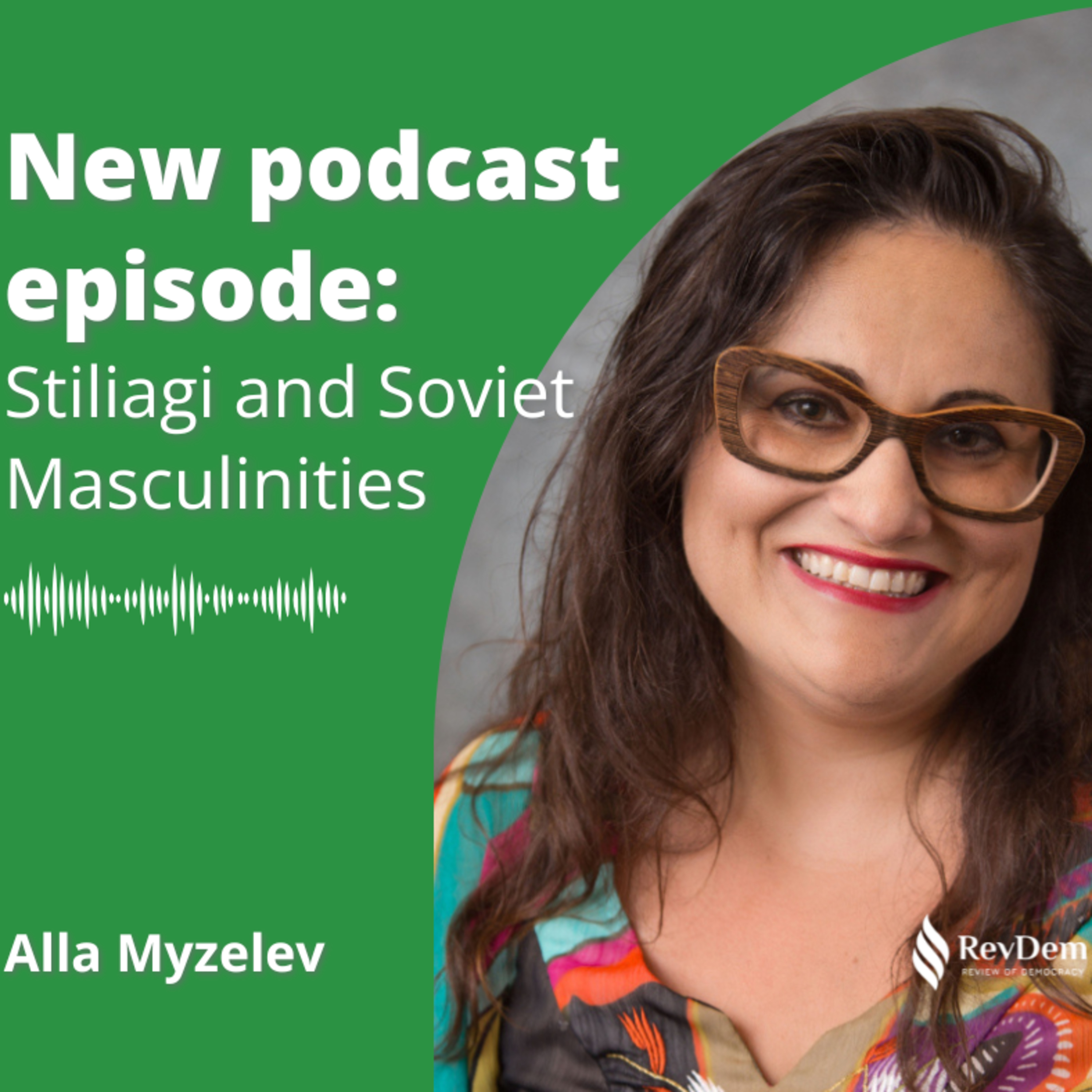
Stiliagi and Soviet Masculinities- A Conversation with Alla Myzelev
In the Soviet Union, youth fashion meant more than just a way of expression. In our latest episode, we discusswith Alla Myzelev about the stiliagi, a flamboyant youth subculture that emerged in the late Stalinist and early post-Stalinist Soviet Union.Myzelev situates the stiliagi not simply as fashion-conscious rebels, but as a distinctly embodied and aesthetic form of dissent that challengeddomin

On Genocide: Omer Bartov in Conversation about Palestine, Israel, and Germany
Over the last two years, the world has witnessed atrocities beyond imagination. The killing of approximately 1,200 people by Hamas in Israel on October 7, 2023, was followed by a genocidal war in which the Israeli Defense Forces have, according to recent reports, killed over 67,000 Palestinians — nearly a third of them children. Israel’s military hasdamaged or destroyed more than 90% of homes in G
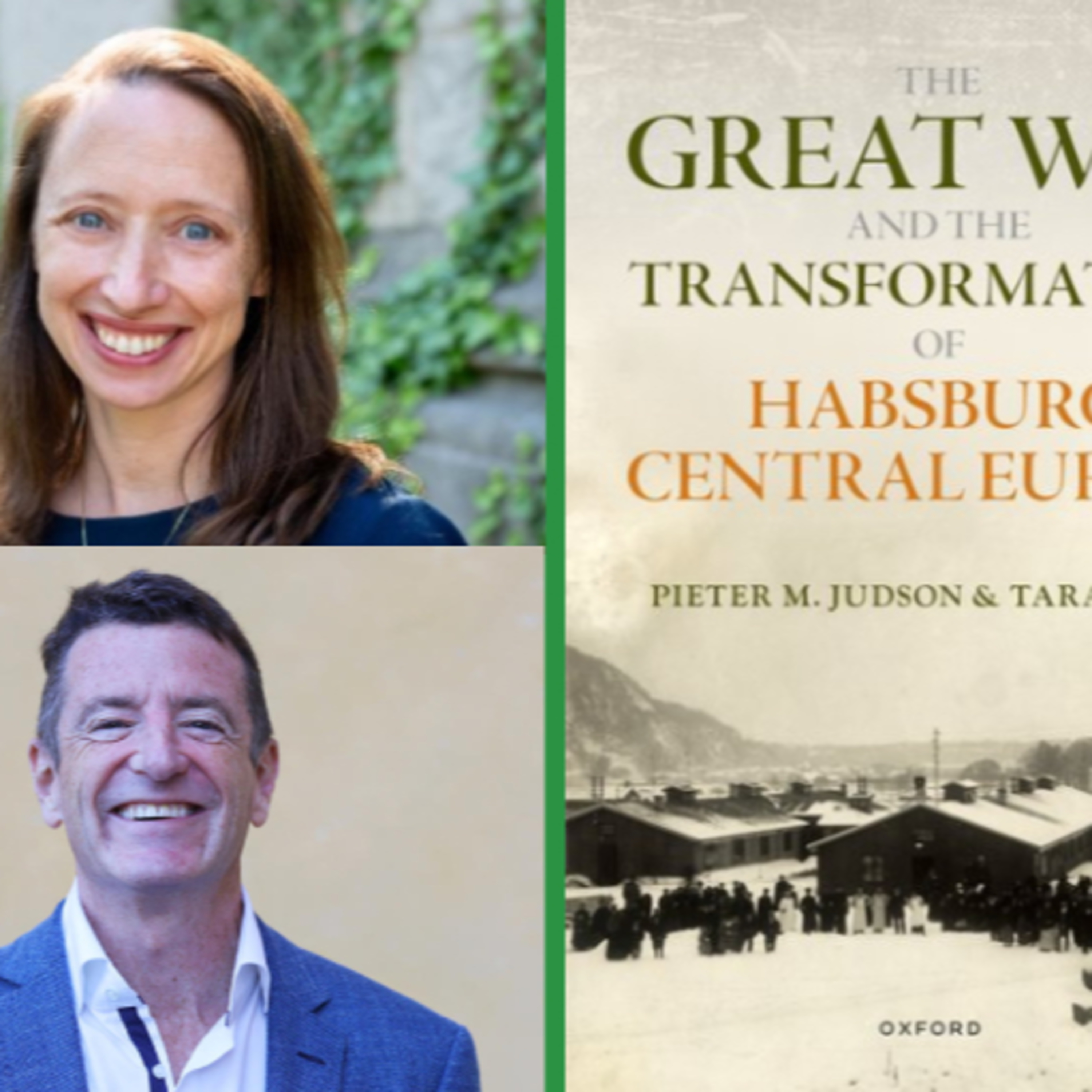
The Great War and the Transformation of Central Europe: A Conversation with Tara Zahra and Pieter Judson
In this episode of the Review of Democracy Podcast,historians Tara Zahra and Pieter Judson discuss their book TheGreat War and the Transformation of Habsburg Central Europe (Oxford University Press, 2025), which presents an intriguing reinterpretation of the First World War and the collapse of the Habsburg Empire. Rather than treatingthe war as a mere endpoint or the Empire’s dissolution as inevit

Stiliagi and Soviet Masculinities- A Conversation with Alla Myzelev
In the Soviet Union, youth fashion meant more than just a way of expression. In our latest episode, we discusswith Alla Myzelev about the stiliagi, a flamboyant youth subculture that emerged in the late Stalinist and early post-Stalinist Soviet Union.Myzelev situates the stiliagi not simply as fashion-conscious rebels, but as a distinctly embodied and aesthetic form of dissent that challenged domi

Benjamin Gedan and Elias French on The Threat to Latin American Term Limits
In our latest episode of the special series producedin partnership with the Journal of Democracy, we discuss the recent article co-authored by Benjamin Gedan and Elias French, entitled “The Threat to Latin American Term Limits” (Journal of Democracy, Vol. 36, No.4, October 2025)The desire of leaders to remain in office indefinitelyhas haunted democracy since its inception. Politicians have found v

End of the Year Podcast 2025 – Part I: Reflections and Reckonings
As 2025 draws to a close, RevDem editors Alexandra Kardos(History of Ideas), Gabriel Pereira (Cross-Regional Dialogue), and Kristóf Szombati (Political Economy and Inequalities) take stock of a turbulent democratic year through three keywords: imagination, frustration, and realignment. From Latin America’s shifting right and disillusionment with democratic “delivery” to renewed geopolitical pressu

Carceral Politics: “Public Life” of Prisons in Modern Iran and Beyond
In this latest conversation with Golnar Nikpour, we discuss her book, The Incarcerated Modern: Prisons and Public Life in Iran (Stanford University Press, 2024). We discuss how modern Iranian prisons illuminate broader questions about political modernity, state formation, and democratic aspiration. The conversation examines the contemporary stakes of the book’spublication and its intervention in d
2025 in Perspective: Daron Acemoğlu on Democracy, Delivery, and the Crisis Within
In this exclusive end-of-year conversation with ourCo-Managing Editor Ece Özbey, Nobel Prize–winning political economist Daron Acemoğlu reflects on what 2025 revealed, and failed to resolve, about the state of democracy. From Trump’s global impact to the limits of personalizedpolitics, from institutional decay to AI-driven distortions of political judgment, he explores why liberal democracy is str

An Authoritarian Turn in Contemporary Germany? – In Conversation with Robin Celikates
The threat of the far-right dominates politics in Germany today. The ascendance of the AfD marks the first time since the end of World War II that such a force has attracted a considerable share of the German electorate. This regularly leads politicians from centrist parties to emphasizethe importance of preventing German history from repeating itself. However, these same actors have simultaneousl

Social Media, AI-Chatbots and the Death of the Evening News: How to Restore Trust in a Fragmented Media World - A Conversation with Raluca Radu
"We care witnessing in the digital news reports a major shift since the COVID-19 crisis. (…). During the COVID crisis, the main information source became social media. With social media, you have many, many difficulties in finding the rightinformation or the correct information”, stated Raluca Radu, a Professor of Journalism and Communication Studies at the University of Bucharest, speaker f

How to Resist Illiberalism: Pedro Abramovay on Reimagining Democracy in Latin America
In this episode, Pedro Abramovay offers a wide-ranging analysis of the rise of illiberal forces in Latin America and the democratic vulnerabilities they exploit. Drawing on theBrazilian experience, he discusses what is genuinely new about today’s illiberal actors, why they resonate with voters, and why resisting them requires more than electoral victories. Abramovay argues for reimagining democrac

Exiles and Diasporas in the Crosshairs of Authoritarian States – Nate Schenkkan on the Rise of Transnational Repression and What Can Be Done to Counter It
We are thrilled to bring you the next episode of our monthly special in cooperation with the Journal of Democracy. Inthe framework of this new partnership, our editors discuss outstanding articles from the newest print issue of the journal with their authors. In this discussion with Nate Schenkkan, an independentauthority on human rights and global authoritarianism and former senior director of re

An Authoritarian Turn in Contemporary Germany? – In Conversation with Robin Celikates
The threat of the far-right dominates politics in Germany today. The ascendance of the AfD marks the first time since the end of World War II that such a force has attracted a considerable share of the German electorate. This regularly leads politicians from centrist parties to emphasizethe importance of preventing German history from repeating itself. However, these same actors have simultaneousl

How’s the Rule of Law in Poland? – In Conversation with Jakub Jaraczewski
On 1 June 2025, Karol Nawrocki, an independent candidate backed by the right-wing populist Law and Justice party, was elected President of Poland. His victory came as a surprise to many in the country. Some pinned it on widespread disenchantment with what was perceived as an overly lengthy implementation of reforms aimed at restoring the rule of law – a key issue the ruling coalition had campaigne

Delivering Democracies: Maya Tudor on “What Democracy Does…And Does Not Do?”
In this conversation with Professor Maya Tudor—part of our special series produced in partnership with the Journal of Democracy—we discuss her recent article published in the journal’s October 2025 issue (Vol. 36, No. 4). Tudor explores the factors behind the recent, alleged erosion of democratic ideals worldwide. Drawing on her experiences as an educator, Tudor argues that today’s decline in trus

A Turning Point in American Politics? The Rise of Democratic Socialists of America and Zohran Mamdani
To what extent does Zohran Mamdani’s recent election represent a turn in American politics? In an interview for the Review of Democracy, Fabian Holt (Associate Professor at Roskilde University) discusses the political platform that made Zohran Mamdani’s victory possible. Throughout our conversation, Holt maps the evolution of the Democratic Socialists of America, as presented in his latest book “O

Radical Ecologies of the Right and Left: A Conversation with Ashton Kingdon and Balša Lubarda
In this new episode of the “When the Far Right and the Far Left Converge” series, which shares fresh research from aworkshop organised by the CEU DI Democracy in History Work Group, we discuss with Dr Ashton Kingdon and Dr BalšaLubarda how both the far right and the far left mobilise ecological ideas, often drawing from the same language of resistance. Based on their paper “Co-optationwithout Owne